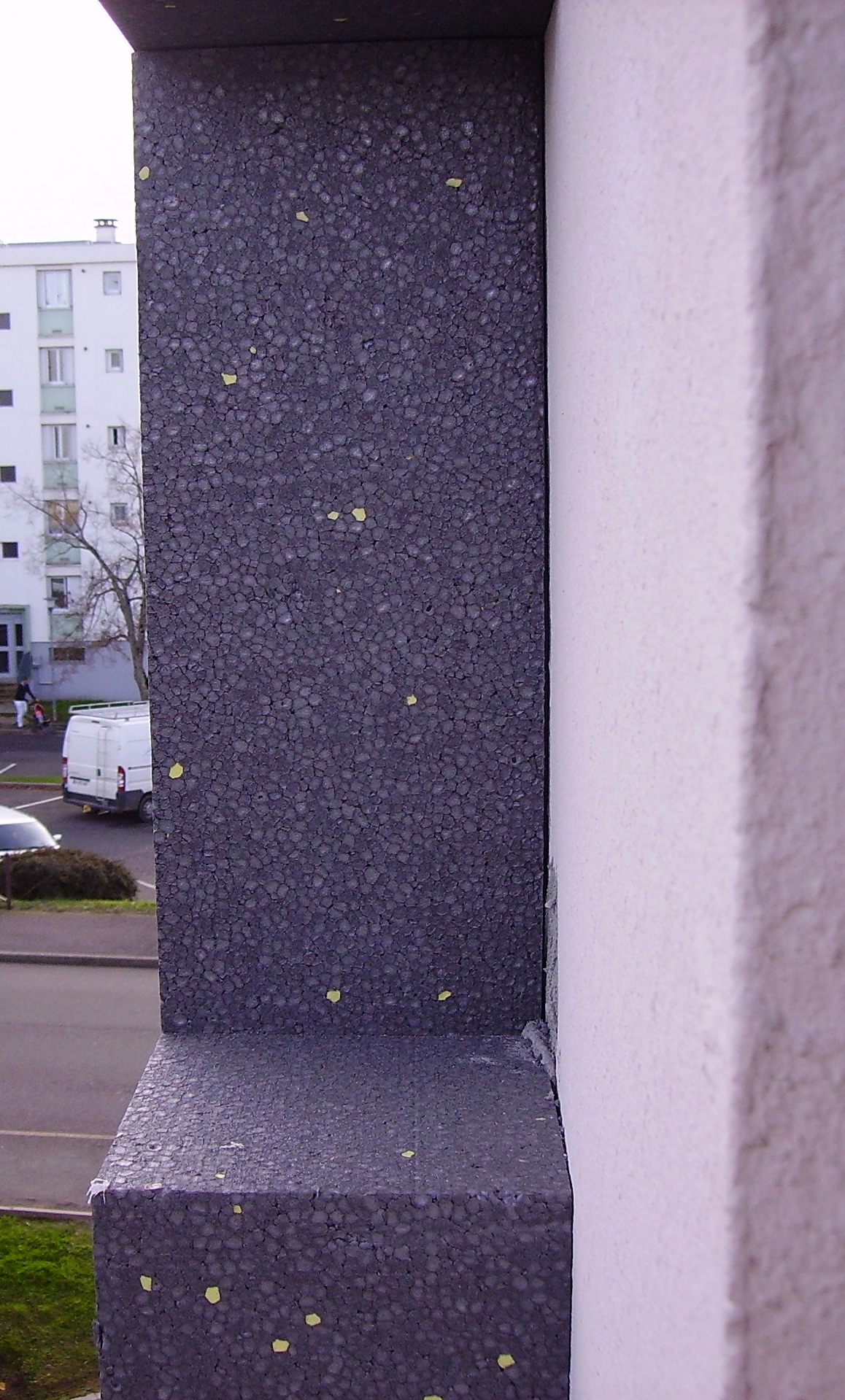
Insulation Types Compared
How batts, blown cellulose, mineral wool, and rigid foam differ in R-value, moisture behaviour, and where each fits in a Canadian assembly.
Read article →Winters in much of Canada run long and cold, and a large share of a home's heating energy escapes through under-insulated attics, walls, and gaps around doors and windows. This reference explains how insulation works, where heat is lost, and which sealing measures address each path.

Each topic below covers one of the paths heat takes out of a house, with material comparisons and practical detail rather than general statements.
How batts, blown cellulose, mineral wool, and rigid foam differ in R-value, moisture behaviour, and where each fits in a Canadian assembly.
Read article →
Why the attic is usually the first place to add insulation, how to reach recommended depths, and the role of air sealing before topping up.
Read article →
Where air leaks concentrate in older homes, how weatherstripping and caulking address them, and how to find leaks without specialist tools.
Read article →Heat moves through solid materials from warm to cold. Insulation slows this by trapping still air or gas in a low-conductivity matrix, which is why R-value matters across walls, floors, and ceilings.
Warm indoor air escapes through gaps at the top of the house while cold air is drawn in lower down. Sealing these openings often improves comfort more directly than adding insulation alone.
Glazing loses heat by conduction and radiation. Reducing drafts around frames and using appropriate coverings helps, though the glass itself is governed by its construction.
If something on the site is unclear, send a note using the form. This is a frontend-only form for a static reference site: submissions are not transmitted or stored, and no message is delivered anywhere.