How insulation is measured
Thermal resistance is expressed as an R-value (RSI in metric). A higher value indicates greater resistance to conductive heat flow for a given thickness. In practice the assembly matters as much as the material: studs, joists, and fasteners create thermal bridges that carry heat around the insulation, which is why continuous exterior insulation is often discussed for walls in colder regions.
Material comparison
The table summarises typical characteristics. Treat it as a general orientation rather than a specification; manufacturer data and local building requirements take precedence.
| Material | Common form | Notable trait | Typical use |
|---|---|---|---|
| Fibreglass | Batts, blown | Widely available, low cost | Walls, attics |
| Mineral wool | Batts, boards | Fire resistant, holds shape | Walls, party walls |
| Cellulose | Blown, dense-pack | Fills irregular cavities well | Attics, retrofits |
| Rigid foam (EPS/XPS/polyiso) | Boards | High R per inch, continuous | Exterior, foundations |
| Spray foam | Applied in place | Air-seals as it insulates | Rim joists, gaps |
Batts and blown fibre
Fibreglass and mineral wool batts are sized to standard stud and joist spacing. They perform best when they fill the cavity completely without compression; gaps and folds around wiring reduce the effective R-value. Blown fibre, including cellulose, is suited to attics where it can be distributed to an even depth across an open floor.
Rigid and spray foam
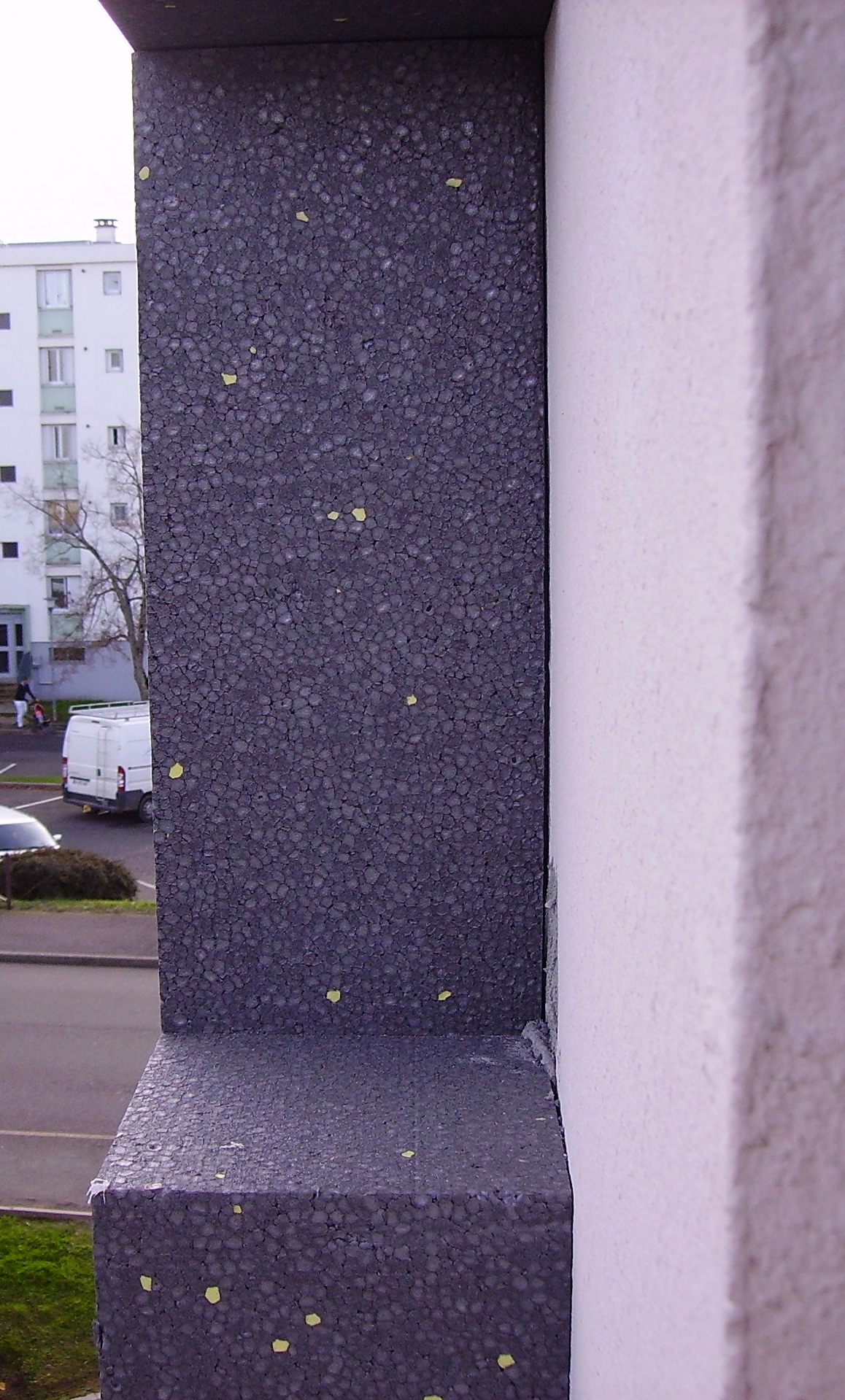
Rigid boards add resistance with less thickness and, when installed on the outside of a wall, reduce thermal bridging across the framing. Spray foam expands to seal as it cures, which makes it useful at awkward junctions such as rim joists, though it requires correct installation to avoid trapping moisture.
In a cold climate the position of vapour-permeable and vapour-resistant layers affects whether a wall dries inward or outward. Materials are not interchangeable on R-value alone; the assembly's ability to manage moisture should be considered alongside thermal performance.
Choosing by location
- Attics: depth is inexpensive, so this is often where added insulation gives the most return.
- Walls: cavity fill plus, in colder zones, continuous exterior insulation to limit bridging.
- Basements and rim joists: materials that tolerate the moisture conditions found below grade.
For where these losses concentrate and what to do first, see the companion articles on attic heat loss and draft sealing.